Cambridge Ecology - Wicken Fen
Cambridge Ecology Ecology Services Survey Timetable Applications and Clients Company Policy v About Cambridge Ecology Contact Cambridge Ecology
v
v
info@cambridgeecology.com Wicken Fen
Fen are a unique and once typical habitat of Cambridgeshire. Wicken Fen is one of Britain’s oldest nature reserve the first areas being acquired by the National Trust in May 1899. The nature of the Fen has been shaped by topography, hydrology, and in particular, by centuries of use by man. The wetland has played an important role in the social and economic life of the area. As a result 29 species of mammal, over 200 species of birds, 1000 species of moth and butterfly, 1000 species of beetle, approaching 2000 species of fly and 25 species of dragonfly have been recorded from the Fen. The Fen therefore is a refuge for a very large number of UK Biodiversity Action Plan priority species. As a consequence the Fen is a National Nature Reserve, a Site of Special Scientific Interest, a Special Area of Conservation and a Ramsar site.

"Providing our clients with solutions that allow their projects to proceed on schedule and which also deliver an ecological strategy that they can market"

Green Woodpecker
Green Woodpecker - Picus viridis
The green woodpecker is the largest of the three woodpeckers that breed in Britain and found throughout the UK in open deciduous woodland, parks, orchards and farmland. On the UK's Birds of Conservation Concern this species list amber listed.

Website designed by Coolaz

REPTILES

Legislation and Policy

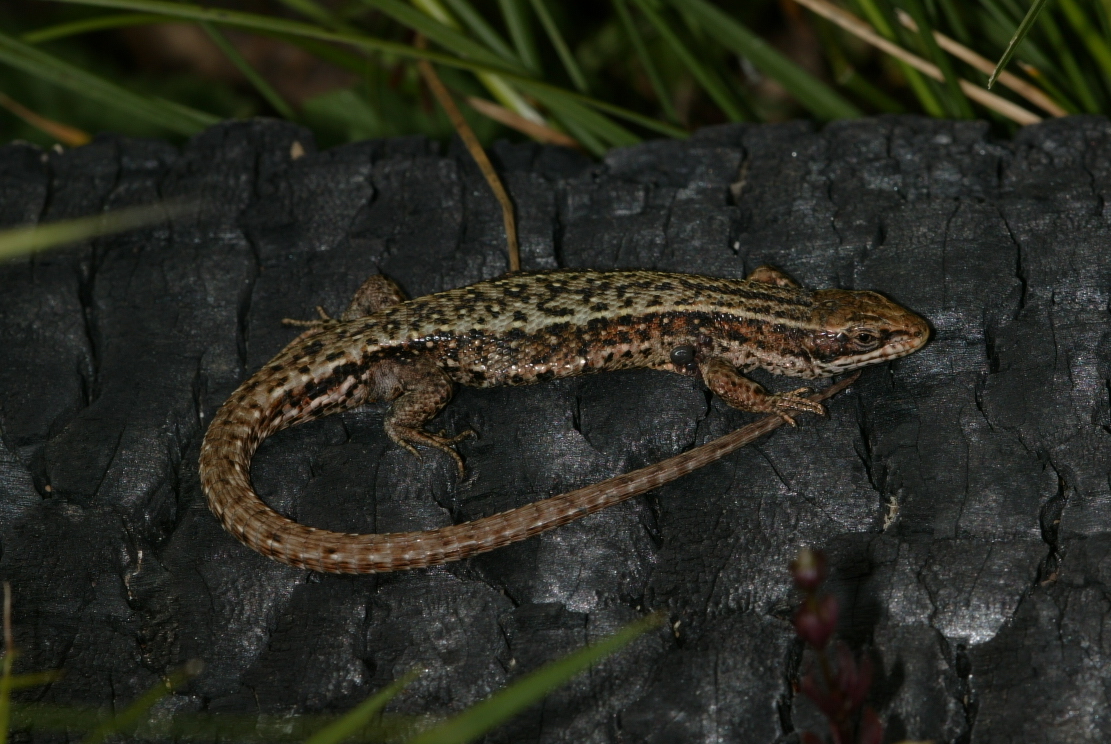
All common reptile species (grass snakes, adders, common lizards and slow worms) native to Britain are protected by the Wildlife & Countryside Act, 1981 (as amended).

This legislation makes it illegal to intentionally kill or injure a common reptile. As a result, a method statement must be produced describing the mitigation measures implemented to protect reptiles from injury or death. Reptiles must be removed from areas of development and relocated onto suitable release sites before any site works can commence.

In addition sand lizard and smooth snake are protected under The Conservation of Habitats and Species Regulations 2010, which consolidates all the various amendments made to the Conservation (Natural Habitats, &c.) Regulations 1994 in respect of England and Wales. The 1994 Regulations transposed Council Directive 92/43/EEC on the conservation of natural habitats and of wild fauna and flora (EC Habitats Directive) into national law. Taken together, these legislative instruments make it illegal to:
• deliberately or recklessly disturb, capture or kill these animals,
• deliberately or recklessly take or destroy eggs of these animals;
• damage or destroy a breeding site or resting place of such a wild animal;
• keep, transport, sell or exchange, or offer for sale or exchange, any live or dead animal, or any part of, or anything derived from such a wild animal.

UK planning policy under the terms of Planning Policy Statement 9 (PPS 9) sets out the Government’s national policies on different aspects of planning in England that regional planning bodies and local planning authorities (LPAs) are expected to consider. Key components of this policy include:
• Planning decisions should be based on up-to-date information (e.g. surveys) about the environmental characteristics of their areas;
• Planning decisions should aim to maintain, enhance, restore or add to biodiversity interests. In taking decisions LPAs should ensure that appropriate emphasis is attached to designated sites, protected species, and to biodiversity interests within the wider environment;
• The aim of planning decisions should be to prevent harm to biodiversity interests.
• It also emphasis’s that development proposals provide many opportunities for building-in beneficial biodiversity features as part of good design and that when considering proposals, LPAs should maximise such opportunities in and around developments.

PPS 9 requires that LPA’s take steps to promote the conservation of habitats and species of ‘principal importance’ (i.e. BAP habitats and species) through their planning function.

Therefore developments on sites where reptiles may be present need to be mindful of this legislation and policy.

Cambridge Ecology has extensive experience in surveying for reptiles using specific survey techniques to determine the presence or likely absence of reptiles, population sizes and identifying key habitats within the study area. The data collected is used to devise appropriate mitigation strategies.

Specialist Expertise

Cambridge Ecology has a wide range of skills required in this specialist area. The surveys include the use of various standard and specialised reptile surveys methods such as:

• Phase 1 Presence/Absence Survey - involves distributing reptile refugia across the study areas in habitat suitable for supporting populations of reptiles. The refugia consist of metal or felt sheets measuring approximately 0.25m2 at a density of up to minimum of 10 per hectare. The refugia are inspected periodically (a minimum of seven times) by a qualified ecologist at regular intervals in suitable weather conditions. The optimum time for surveys is between April-June and September-October.
• Phase 2 Population Size Survey - Phase 2 population studies are carried out if the presence of reptiles is established during Phase 1 surveys. This involves an extension of the initial survey over a longer time period (preferably a year) and up to 20 visits are required in order to assess the size of a reptile.

Habitat Creation and Mitigation

• Mitigation strategies have been developed in order to protect reptiles from development impacts and ensure our clients remain complaint with the relevant legislation.
• Creation, maintenance and management of new reptile habitats and refugia and hibernacula
• Identification and preparation of receptor sites in advance of future translocations.
• Installation of barrier/drift fencing to exclude reptiles from construction sites.
• Reptile translocations.

v